

In This Issue
- Featured Community—Arabian Acres
- WISDOM Welcome – Walden
- WISDOM Updates – Special District Association of Colorado Conference
- Board Member Toolbox – Budgets 101
- Did You Know – Your District Website Is Part of Your Compliance Infrastructure
- Financial Corner – Mill Levy FAQs
- Legislative Updates – 2026 LAWS TAKING EFFECT
- Team Member of the Quarter – Melonie Courtright
- Upcoming Deadlines
Featured Community
Behind the Scenes: How Arabian Acres Metropolitan District Is Improving Its Community Pond
Ongoing treatments are helping improve the health, appearance, and long-term condition of the community pond.
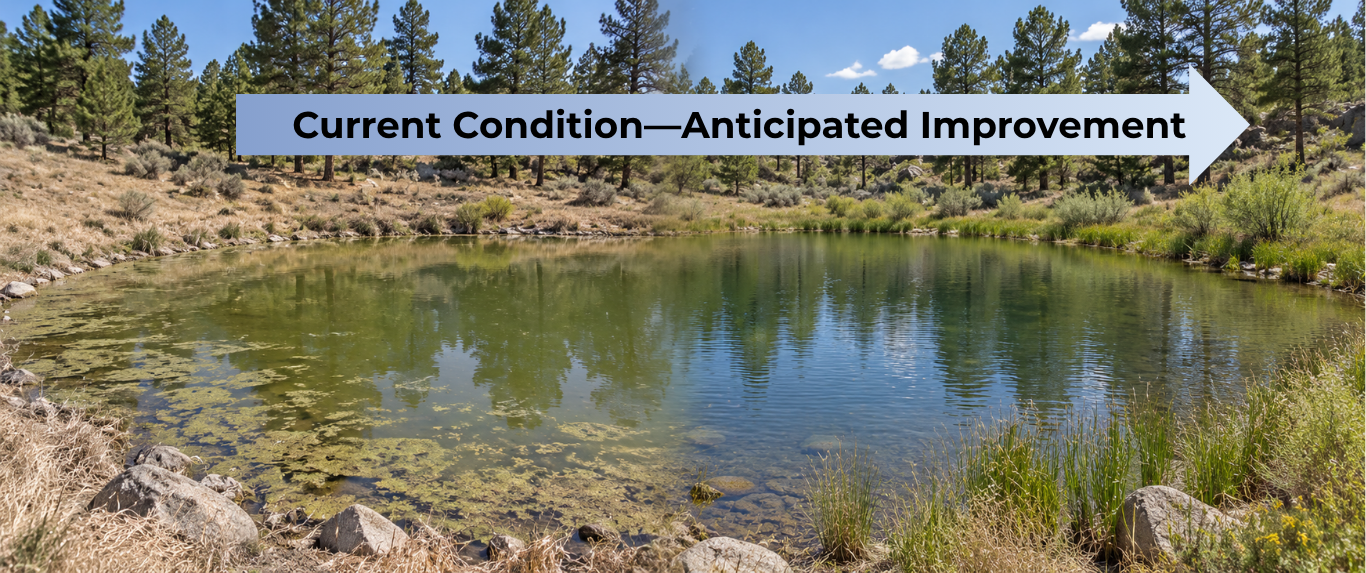
Residents may have noticed ongoing work at the Arabian Acres pond recently. The Arabian Acres Metropolitan District partnered with Solitude Lake Management to begin a treatment program designed to improve the pond’s overall health, reduce the buildup of organic sediment, and enhance its appearance.
One of the primary goals of the project is to reduce “muck,” the soft layer of decomposing leaves, grass clippings, organic matter, and other natural materials that accumulate on the bottom of ponds over time. Excessive muck can contribute to unpleasant odors, poor water quality, increased algae growth, and a less attractive appearance.
According to the latest progress report, the treatment program is working as expected. While some test results show fluctuations in the amount of muck present, this is actually a normal part of the restoration process. As treatments break down older layers of sediment, deeper deposits become exposed and are measured during sampling. This indicates that the program is actively working through years of accumulated material.
Another encouraging sign is that water quality remains healthy. Testing shows that phosphorus levels in the pond water continue to stay within recommended ranges. Maintaining balanced nutrient levels is important because excess nutrients can fuel unwanted algae growth and diminish water clarity. The report also found a substantial reduction in nitrogen contained within the pond sediments compared to measurements taken when the project began. This reduction is a positive indicator that the biological treatments are successfully breaking down organic material on the pond bottom.
While pond restoration is a gradual process rather than an overnight fix, experts expect continued improvements as treatments proceed. Solitude Lake Management will continue treatment applications through September, with biweekly treatments scheduled to resume in spring 2027. Over time, the percentage of organic muck is expected to decrease while healthier bottom materials become more prominent.
The District views this project as an investment in one of Arabian Acres’ most visible community amenities. By improving water quality and reducing sediment buildup, the program aims to create a cleaner, healthier, and more attractive pond for residents to enjoy for years to come.
WISDOM Welcome

Welcome to WISDOM: Walden Metropolitan District Nos. 1 & 2
At WISDOM Management, we believe strong communities are built through meaningful partnerships. We are pleased to welcome Walden Metropolitan District Nos. 1 & 2 as our newest client.
This partnership marks the beginning of a collaboration focused on supporting the Districts’ goals of effective governance, transparent communication, and exceptional service to residents and stakeholders. Our team looks forward to working alongside the Walden Metropolitan District leadership team and contributing to the continued success of the community they serve.
As we begin working together, WISDOM is committed to providing responsive service, strategic guidance, and innovative solutions that support the Districts’ mission and long-term goals. The addition of Walden Metropolitan District Nos. 1 & 2 reflects our continued commitment to serving special districts with integrity, expertise, and a client-first approach.
Please join us in welcoming Walden Metropolitan District Nos. 1 & 2 to WISDOM Management. We look forward to a strong and productive relationship for years to come.
WISDOM Updates
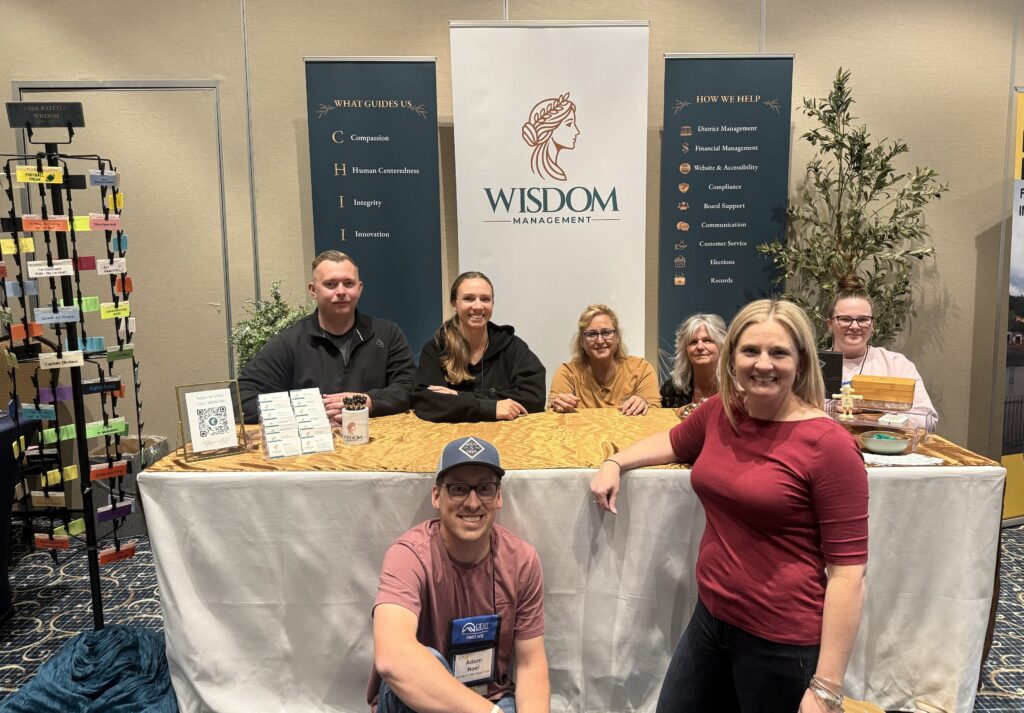 WISDOM at the SDA Annual Conference
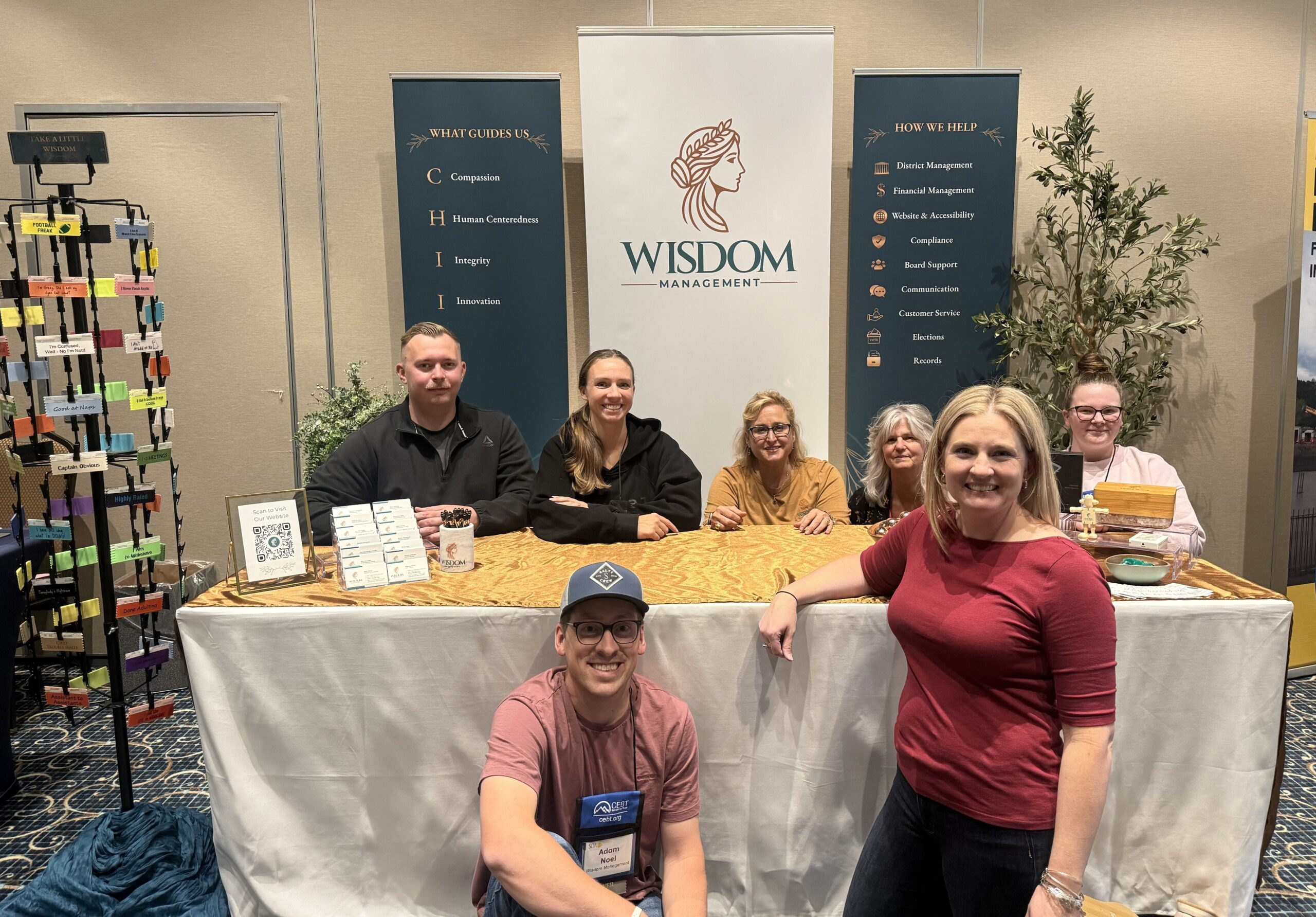
The 2026 Special District Association of Colorado (SDA) Annual Conference in Keystone, Colorado, brought together district professionals, board members, consultants, and industry leaders for several days of learning, networking, and connection. It was a great opportunity to meet others in the industry, exchange ideas, and build relationships.
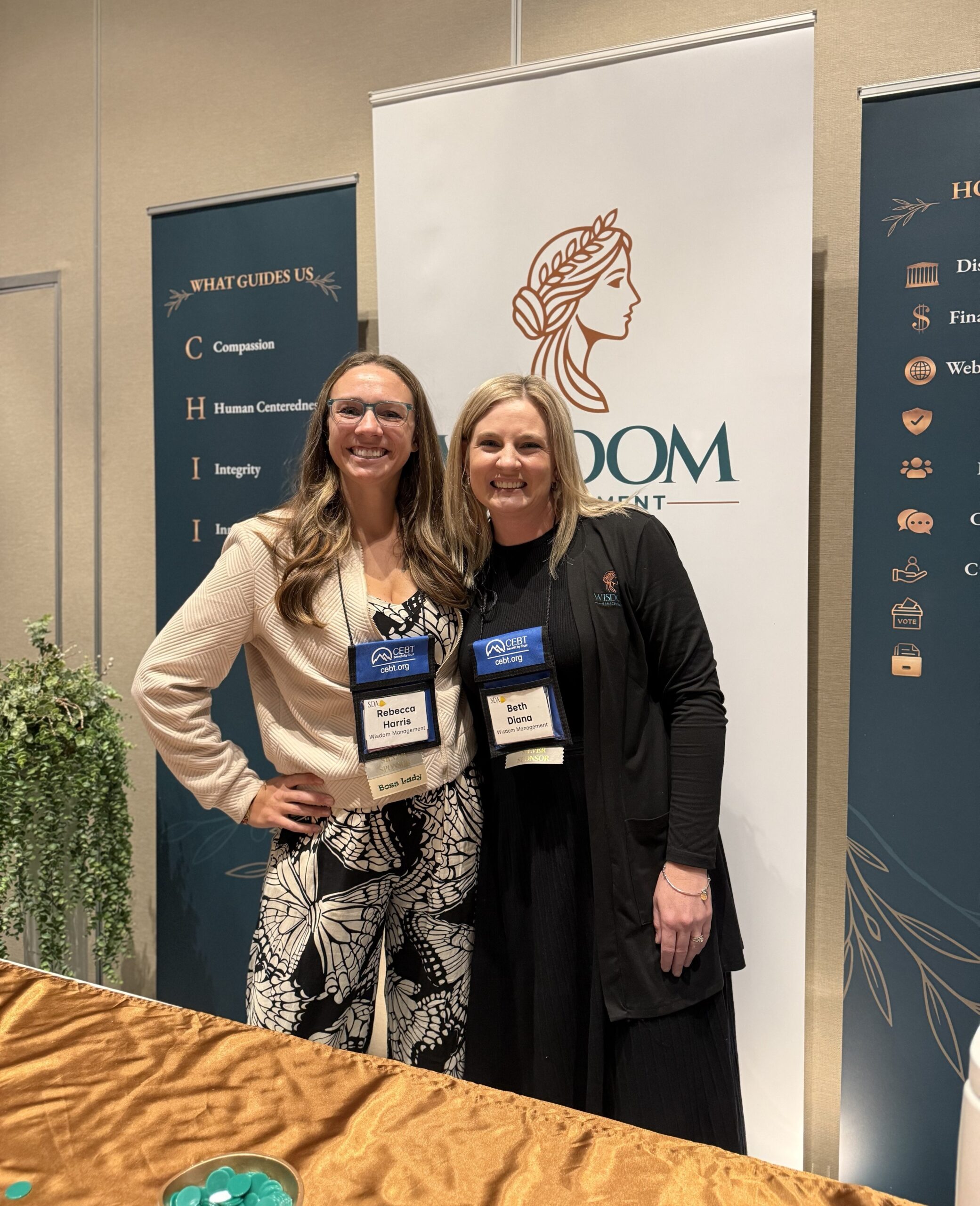
For WISDOM Management, this year’s conference was especially exciting. Following our recent rebrand from WSDM to WISDOM Management, the 2026 SDA Conference was our first opportunity to showcase our new name, logo, and booth. We were excited to welcome familiar faces and meet new ones as people stopped by to visit, learn more about WISDOM Management, and see our new look. The response to the booth was incredible, and we are grateful for every conversation, introduction, and connection made throughout the conference.
The SDA Conference is about more than business cards and networking. It provides an opportunity to step away from the day-to-day, learn from others, and bring new ideas and perspectives back to our teams and the communities we serve. This year’s speakers shared valuable insight and practical lessons that extended beyond the workplace. Their messages encouraged us to continue growing, not only as professionals, but also as individuals, partners, leaders, and members of our communities.
We are proud to have been part of the 2026 SDA Annual Conference and even prouder to have introduced the WISDOM Management brand to the special district community!

Video Transcript: Beth and Rebecca Take the Stage at SDA 2026
The recording begins after the card illusion is already underway.
Host: Yes!
Host: Receive…yes!
Host: Yes!
Host: This is how I make a living.
[Audience laughs.]
Host: It’s kind of weird, but it got me out of jury duty—twice!
Host: All right, Beth. Very important question for you. Since you sat on those playing cards, have Michael’s hands been anywhere near them?
[Beth shakes her head no and laughs.]
Host: Are you positive?
[Audience laughs.]
Host: Grab those playing cards from your secret hiding place and stand up. I want you to walk straight ahead to the edge of the stage. Slowly count those cards one at a time and toss them individually into the air.
Host: Everyone count with her now. Here we go!
Audience: One…two…three…four…five…six…seven!
[Beth runs out of cards.]
Host: Whoa, whoa, whoa, whoa…
Host: Rebecca, do you feel taller?
[Rebecca nods yes.]
Host: That’s good! That’s good! Get the cards—get the cards. Just like Beth did, go straight ahead. Count them one at a time as you throw them. Everyone count with her now!
Audience: One…two…three…four…five…six…seven…eight…nine…ten…eleven…twelve…thirteen!
[Finale music plays, and the audience is encouraged to stand. The crowd cheers loudly as the participants bow.]
Host: [Unclear speech.]
[The host thanks the participants as they leave the stage.]
Host: You can keep the cards. I know where they’ve been.
[Audience laughs.]
Board Member Toolbox

BUDGET SEASON 101
Budget season is one of the most important planning periods of the year for local governments. It is the time when staff, leadership, and the Board of Directors align operational needs, legal requirements, revenue assumptions, and community priorities into a formal financial plan for the coming year.
The annual budget hearing is an important part of the process, giving residents and stakeholders an opportunity to provide input on key items in the proposed budget before it is adopted. For board members, the hearing is also an important opportunity to hear community perspectives before making final budget decisions.
Key statutory budget deadlines
· October 15, 2026: Submit the proposed budget to the Board of Directors.
· December 15, 2026: Certify mill levies to the Board of County Commissioners using Form DLG 70.
· January 30, 2027: File the certified adopted budget and budget message with the Department of Local Government (DLG).
Keeping these deadlines visible early in the process helps avoid last-minute corrections, missed filings, or delays in certification. A simple budget calendar, reviewed regularly with staff and the Board, can make the process more predictable and help ensure the final adopted budget is complete, timely, and ready for filing.
Tips for overcoming budget season challenges
· Start early: Build a budget calendar that works backward from statutory deadlines and includes internal review dates.
· Use conservative assumptions: Plan carefully for revenues and expenses, especially when assessed valuation, grant funding, or cost increases are still uncertain.
· Prioritize essential services: Identify which services, projects, and obligations must be funded first before considering new initiatives.
· Track capital needs: Maintain a running list of equipment, facility, infrastructure, and vehicle needs so large expenses can be planned over multiple years.
· Communicate clearly: Use plain language in budget materials so the Board and the public can understand major changes, tradeoffs, and priorities.
· Review frequently: Revisit the draft budget as new information becomes available and document any major changes before adoption.
Did You Know?
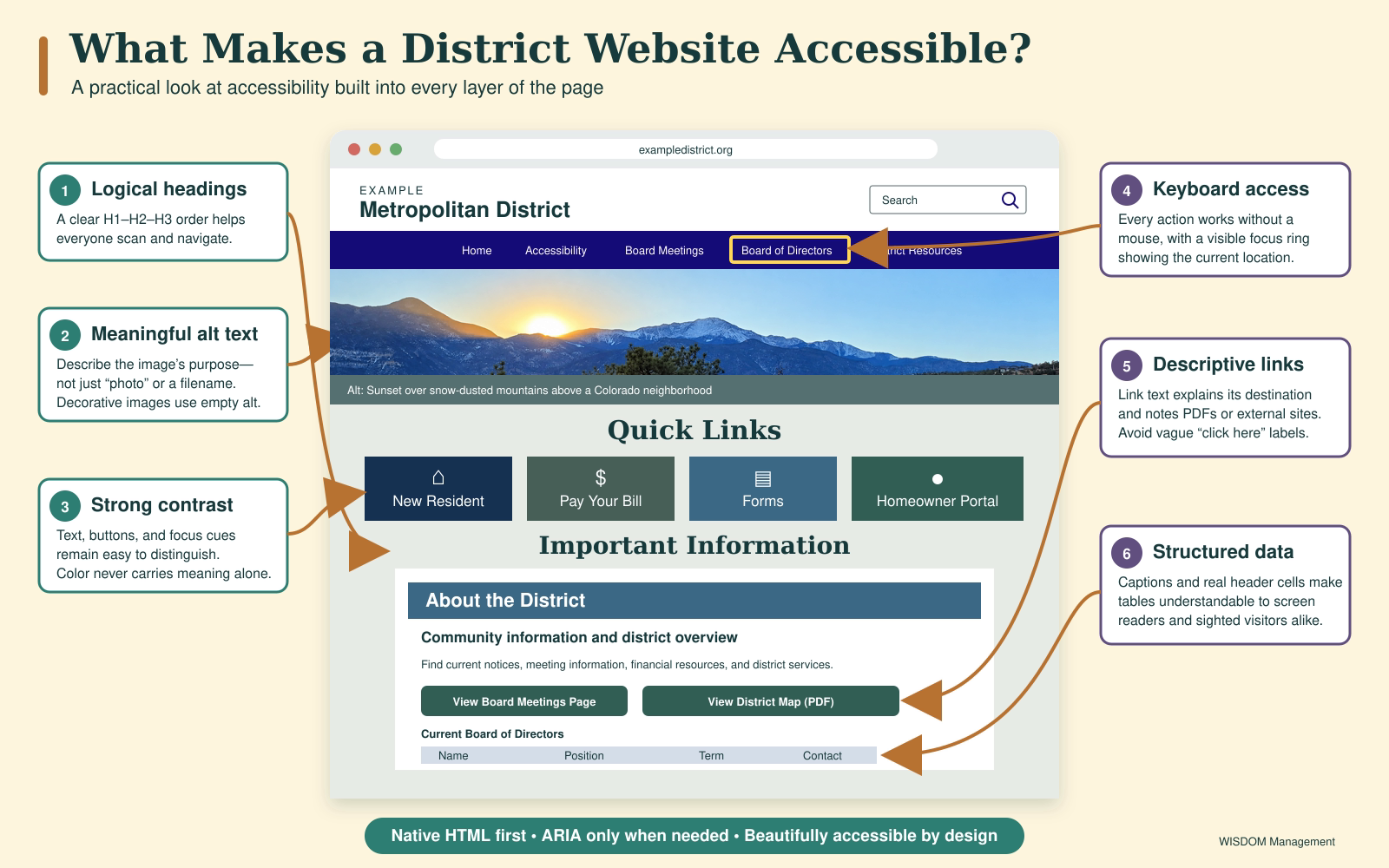
Your District Website Is Part of Your Compliance Infrastructure
Did you know that a district website is more than a communication tool? It is also part of the district’s legal and compliance infrastructure.
Colorado’s digital accessibility requirements apply to state and local government entities, including special districts. Under House Bill 21-1110 and Colorado’s Technology Accessibility Rules, public entities must make their information and communication technology accessible to individuals with disabilities. The applicable technical standards include the Web Content Accessibility Guidelines (WCAG) 2.1 Levels A and AA.
These responsibilities extend beyond the website itself. They can include meeting notices, agendas, minutes, PDFs, forms, images, videos, audio, applications, and third-party tools owned or controlled by the district. Colorado’s rules define accessible digital content as content that is perceivable, operable, and understandable and that allows a person with a disability to access the same information, interactions, and services with comparable privacy, independence, and ease of use.
Public entities must also prominently post a technology accessibility statement. At a minimum, it must explain how someone can report an accessibility barrier or request a reasonable accommodation or modification. More than one contact method must be provided, such as an accessible form, email address, or telephone number.
Accessibility Is an Ongoing Practice
Accessibility is not a one-time website project or a box that can be checked and forgotten. Every new agenda, document, image, link, form, or page can either preserve accessibility or introduce a new barrier.
That is why thoughtful content management matters. Descriptive links help visitors understand where a link will take them. Properly structured headings allow screen-reader users to navigate a page efficiently. Alternative text communicates the purpose of meaningful images. Accessible tables, readable typography, sufficient color contrast, keyboard-friendly controls, and properly prepared documents all contribute to a more usable experience.
The Value of In-House Accessibility Support
Many organizations rely primarily on third-party vendors or periodic accessibility audits to identify and correct digital barriers. Although outside specialists and tools can be valuable, accessibility is most effective when it is incorporated into everyday website management rather than addressed only after a problem is discovered.
WISDOM Management has a dedicated in-house Website Specialist and Accessibility Compliance Officer who works directly with district managers and understands the websites, documents, platforms, and communities WISDOM supports. This allows accessibility considerations to be included as pages are created, meeting materials are posted, documents are updated, and new digital services are introduced.
WISDOM works alongside districts to organize website content, identify accessibility barriers, improve digital documents, use accessible page structures, and maintain clear pathways to important public information. Having this expertise within the WISDOM team also allows questions and potential issues to be addressed more promptly and consistently while reducing dependence on occasional third-party review.
Our goal reaches beyond technical compliance. We strive to make district websites beautifully accessible—visually inviting, clearly organized, and intuitive for people navigating traditionally as well as those using screen readers, keyboard navigation, magnification, voice control, or other assistive technology.
Good accessibility and good design are not opposing goals. When accessibility is incorporated thoughtfully, it often improves the experience for everyone. A well-designed district website should help every visitor find what they need with greater confidence, independence, and ease.
This article provides general information and is not intended as legal advice.
Learn more:
Colorado Digital Accessibility Law for State and Local Government
Financial Corner
 What is a Mill Levy and How is it Used?
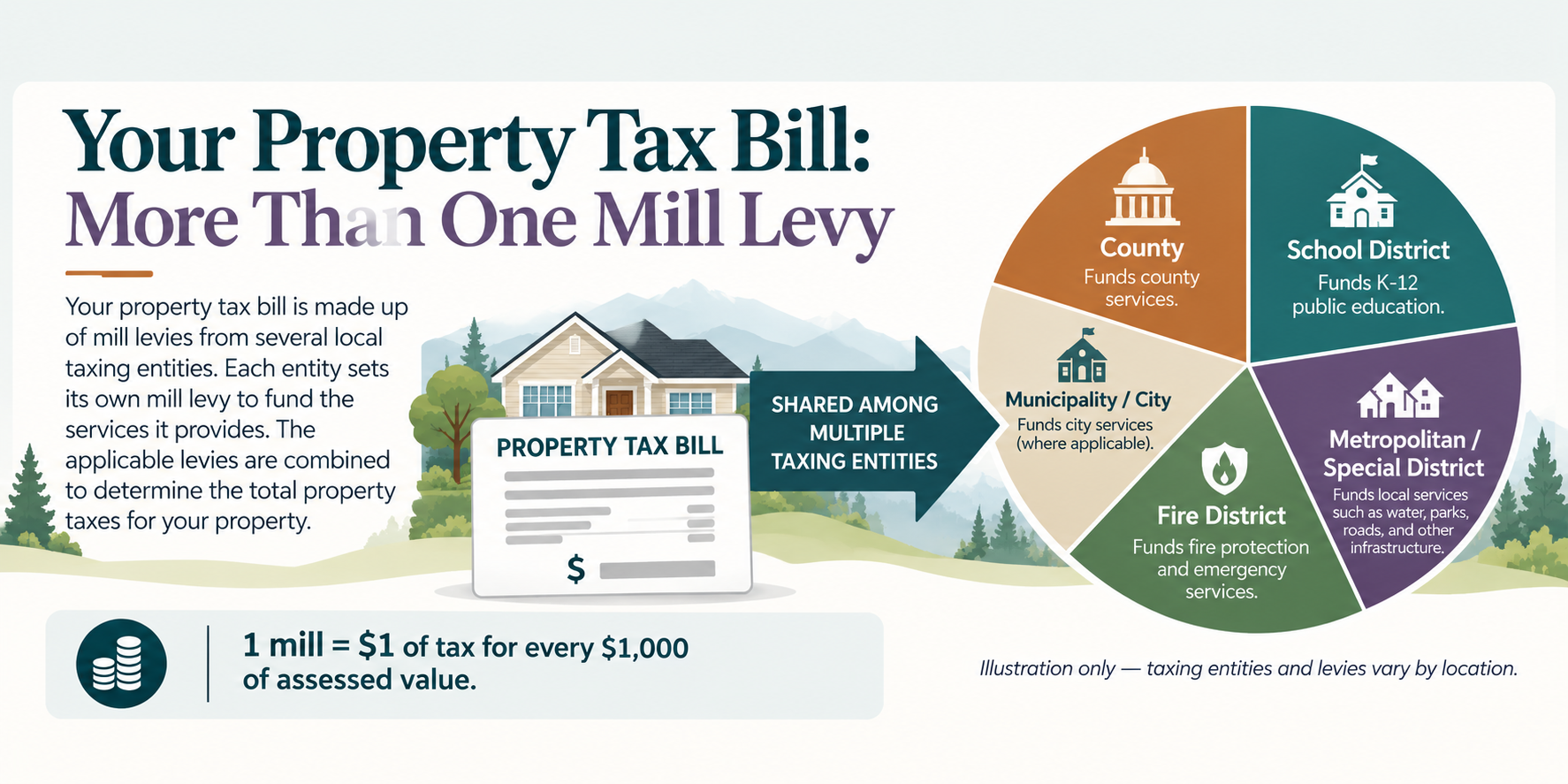
If you’ve ever reviewed your property tax bill, you may have noticed the term mill levy. While it may sound technical, a mill levy is simply the tax rate used to calculate property taxes that help fund the services and infrastructure our communities rely on every day.
What Is a Mill Levy?
A mill levy is a property tax rate. One mill equals $1 in tax for every $1,000 of a property’s taxable value.
For example, if a property has a taxable value of $100,000 and the mill levy is 10 mills, the property owner would pay $1,000 in taxes to that taxing authority.
Where Does the Money Go?
Revenue generated through mill levies helps support many essential community services, including:
· Public schools
· Fire protection and emergency response
· Road maintenance and repairs
· Parks, trails, and recreational facilities
· Stormwater and drainage infrastructure
A property’s tax bill is often shared among several local entities, such as counties, school districts, fire districts, and parks districts, each providing important services to the community. A district’s annual budget and service plan can provide additional information about the specific services the district is authorized to provide and how district revenues are used.
How Is the Mill Levy Determined?
Each year, local governments and special districts develop budgets based on the services they provide and the projects they plan to undertake. Districts may rely on multiple revenue sources, such as fees, grants, reserves, and property taxes. As part of the budget process, the district determines its funding needs and establishes the mill levy necessary to generate the appropriate property tax revenue, subject to applicable legal, electoral, and service plan limitations.
Why Do Property Tax Bills Change?
Property tax bills are influenced by two factors:
1. The assessed value of a property
2. The mill levy applied to that value
As property values change, property tax bills may increase or decrease, even if the mill levy remains the same.
Financial Corner Takeaway
A mill levy is the property tax rate used to fund local services and infrastructure that help keep our communities safe, connected, and thriving. Understanding how mill levies work can provide valuable insight into how property taxes support the services residents use every day.
Legislative Updates
2026 LAWS TAKING EFFECT
HB26-1095 Digital Publication for Legal Notice
Current law requires a county or municipality to publish legal notices in a physical print newspaper. The law also requires newspapers to publish these notices online, either on their own website or by providing a link to a location where the full text of the notice is available, such as the statewide public notice website. Legal notices published online must be freely accessible and may not be placed behind a paywall or subscription. The law also applies these requirements to special districts and requires the statewide public notice website to include a list of newspapers that meet the qualifications for publishing legal notices.
HB26-1065 Transit and Housing Investment Zones
The law creates the Transit Investment Area Act, which allows a local government and a transit agency to jointly pursue a transit investment project by designating a transit investment area and creating a transit investment authority—or designating a county revitalization authority, metropolitan district, or urban renewal authority instead—to receive and spend the state sales tax revenue generated within the area above a set base amount, plus 20% of the state sales tax increment revenue. The local government applies to the Colorado Office of Economic Development and the Colorado Economic Development Commission (the Commission), which reviews and may approve the project and authorize collection of the increment revenue for up to 30 years. The Commission may approve no more than three such projects per year (six total) and may dedicate no more than $75 million per year across all approved projects. If a transit investment authority is created, its governing board includes members appointed by the Commission and the local government, along with one member appointed by the transit agency. The authority has no power of eminent domain and cannot impose or levy any tax.
The law requires the Colorado office of economic development, in consultation with the department of local affairs and the department of transportation, to publish a transit and housing investment zone map by October 30, 2026.
The law also creates the Colorado affordable housing in transit and housing investment zones tax credit, administered in the same manner as the existing Colorado affordable housing in transit-oriented communities income tax credit, but available for qualified low- and middle-income housing projects in transit and housing investment zones. Up to $8,333,333 in credits may be awarded each calendar year from 2027 through 2033.
HB26-1253 Disconnection from Statutory Municipality
Under current law, the owners of certain tracts of agricultural or farm land within and adjacent to the boundaries of a statutory town or city may petition the district court to disconnect the land from the municipality through a court decree. The law changes the eligibility requirements for this process. Tracts of land located within the boundaries of an urban renewal area identified in an urban renewal plan or within a special district that is expected to provide services to the property are no longer eligible for disconnection by court decree. Instead, owners of these properties must follow the disconnection by ordinance process. Under current law, an owner of a tract of land within and adjacent to a statutory municipality may apply to the municipality’s governing body for the adoption of an ordinance disconnecting the property. The law expands this process by requiring the property owner to provide notice and a copy of the application not only to the county commissioners and any affected special district, but also to any affected urban renewal authority. After receiving the notice, the county, affected special district, or urban renewal authority may request a meeting with the property owner and the municipality to discuss potential impacts of the proposed disconnection, including changes to public services or interference with the implementation of an urban renewal plan. If any of these entities do not request a meeting, they are considered to have acknowledged that the disconnection will not adversely affect their interests. The law applies to applications for disconnection from a statutory municipality and petitions for disconnection from a statutory city or town that are commenced on or after the law’s effective date.
HB26-093 Workers’ Compensation Insurance Coverage Verification
The law requires that, before work begins under a building or construction permit for a project with a total construction cost exceeding $1 million, the permit applicant must submit a signed declaration, under penalty of perjury, to the permitting agency. The declaration must verify that all individuals working under the permit—including subcontractors—will maintain workers’ compensation insurance coverage for the duration of the project. The law also allows any person to file a complaint with the Division of Workers’ Compensation within the Colorado Department of Labor and Employment if they believe a person working under the permit is not maintaining the required workers’ compensation insurance coverage.
Notably, special districts are excluded from the law’s definition of a governmental entity and, therefore, are not considered permitting agencies under these requirements.
Team Member of the Quarter
 Melonie Courtright joined WISDOM Management in April 2025 and serves as the company’s Website Specialist and Accessibility Compliance Officer. Drawing on her background in association management, website design, and project coordination, Melonie manages the content, organization, and accessibility of more than 40 district websites supported by WISDOM.
Her work helps ensure that residents and board members can find clear, accurate, and accessible information about meetings, elections, governing documents, community resources, and district services. She works closely with district managers and other members of the WISDOM team to organize complex information, improve digital accessibility, and create websites and documents that are easier for everyone to use. For Melonie, accessibility is more than a technical requirement—it is a practical way to treat people with dignity and ensure that important public information reaches the communities it is intended to serve.
Melonie brings creativity, curiosity, and persistence to her work and reflects WISDOM’s values of collaboration, human-centeredness, innovation, and integrity. She is currently pursuing a Bachelor of Arts in Art Studies through Arizona State University and continues to expand her knowledge of accessibility and inclusive design. Outside of work, Melonie is a lifelong artist who especially enjoys watercolor and acrylic painting, caring for her plants, watching science fiction, and spending time with her husband, children, and grandchildren.
Upcoming Deadlines
October 2026–January 2027: Upcoming Statutory and Jurisdictional Deadlines
This is a busy time of year for districts. Here are some of the key compliance deadlines from September through January.
| Deadline | Requirement | Action Needed |
|---|---|---|
| September 30 | Final Day to File Audit for Approved Extensions | Submit the audit for State Auditor-approved audit extensions. |
| October 1 | Annual Report | File the district’s Annual Report with the required jurisdictions and post it on the district website. Some jurisdictions require earlier filing. |
| October 15 | 2027 Draft Budget to Board | Provide the draft 2027 budget to the Board. |
| October 31 | CSD Pool Audits and Budget Updates | CSD Pool-insured districts should update the property schedule and provide the 2027 budget. |
| November | Unclaimed Property Act Report | Complete the annual reporting requirement for unclaimed funds held by the district. |
| November 1 | Certify Delinquent Accounts to County Treasurer | The Board may certify unpaid district charges to the County Treasurer for collection through property taxes. Board authorization is required. |
| November or December | 2027 Election Resolution | The Board must approve 2027 election details, including the election format and purpose. |
| November or December | Annual Resolutions, Engagements, and Insurance | Adopt required annual resolutions, approve 2027 vendor contracts and engagements, and renew insurance as needed. |
| December 10 | Final Assessed Values | County Assessors provide final assessed values to districts. |
| December 15 | Certification of Mill Levies DLG-70 | Complete and file the DLG-70 with DLG and the County Assessor. The budget must be adopted first. |
| December 15 | Budget Adoption and Resolution to Appropriate Funds | File the Board-adopted budget and resolution to appropriate funds. |
| December 15 | Notice of Continuing Inactive Status | Inactive special districts must file with DLG and the State Auditor. |
| December 31 | Conservation Trust Fund Annual Certification of Eligibility | Districts with CTF funds must file certification of eligibility with DLG. |
| December 31 | Annual Meeting | Last day to hold the annual meeting for districts required to do so. |
| January 1 | Boundary Map | If district boundaries changed, file a revised map. If they did not change, file a no-change letter. |
Water Entities
| Deadline | Requirement | Action Needed |
|---|---|---|
| November 1 | Certify Delinquent Accounts to County Treasurer | The Board may certify unpaid district charges to the County Treasurer for collection through property taxes. Board authorization is required. |